STEM Sprouts Pitches a Path to Statewide STEM Access
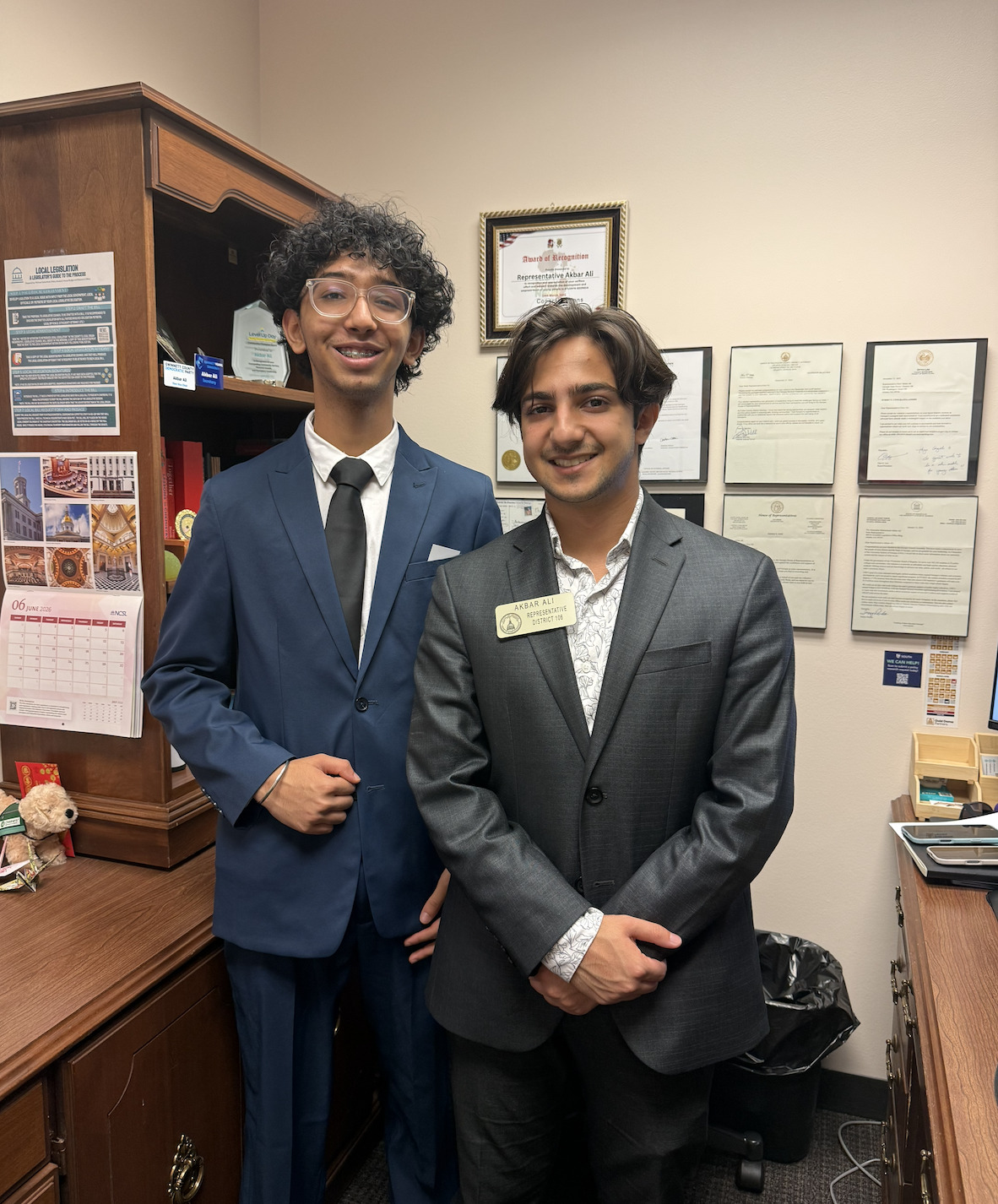
For the past several weeks, STEM Sprouts has been working on something bigger than any single chapter or classroom: a policy proposal aimed at closing Georgia's elementary STEM access gap statewide. This week, that work reached a real audience, a meeting with the office of Georgia State Representative Akbar Ali.
The Problem We Set Out to Address
Georgia has invested heavily in STEM at the high school and workforce level, but elementary schools tell a different story. Access to hands-on STEM instruction, engineering design, robotics, real experimentation, varies enormously depending on a school's resources and geography. In many Title I and rural schools, STEM enrichment is often the first thing cut when budgets get tight. By the time students reach middle school, many have already decided STEM isn't "for them," often without ever having had the chance to find out.
We wanted to know: could a state-level pilot program help close that gap, without creating a costly new bureaucracy?
Building the Case, Not Just the Pitch
Rather than writing a bill and hoping it stuck, we treated this as a research problem first. Before drafting anything, we asked the harder question: does Georgia already have a program that does this? That search turned up several existing state mechanisms, GaDOE Opportunity Grants, Rural Education Innovation Grants, Computer Science Capacity Grants, among others, and each had a real gap. Some fund equipment but not instructors. Some serve rural districts but not urban or suburban Title I schools. None fund what we were proposing: a competitive grant letting any elementary school partner with an outside STEM provider, a museum, university, or nonprofit, to deliver a sustained, hands-on program.
That distinction mattered. It meant we weren't proposing to duplicate something that already worked, we were proposing to fill a gap that genuinely existed.
The proposal went through several rounds of real revision along the way: tightening the fiscal framing so it didn't lean on numbers we couldn't defend yet, making provider accountability concrete and measurable instead of vague, and cutting anything that read as more concerned with sounding polished than with being useful to the people reading it. The goal throughout was a document that was honest about what we knew and equally honest about what we still had to find out.
What Happened in the Meeting
Representative Ali was supportive of the idea. His feedback, though, was practical rather than just encouraging: before pursuing this as state legislation, he wants to see it work at the local level first. Build a real pilot, generate real results, and come back with evidence rather than a concept.
That's a fair ask, and honestly the right one. A program that hasn't been tested anywhere is a much harder sell than one that already has a track record, even a small one. It also matches exactly the standard the proposal itself was built around: don't ask people to take conclusions on faith when you can go get the evidence instead.
What's Next
STEM Sprouts is now looking at how to pilot this model locally, partnering with a school or two, working with providers directly, and tracking real outcomes, so that the next conversation with Representative Ali's office starts from results instead of projections. We'll share more as that takes shape.
If this is the kind of work you want to follow, or you know a school, provider, or partner who'd want to be part of an early pilot, reach out. This is exactly the kind of project that gets stronger with more people paying attention to it.
Representative Akbar Ali has not endorsed, sponsored, or introduced this proposal. This article reflects STEM Sprouts' own account of the meeting and next steps.