STEM Access Inside the Siaya Chapter
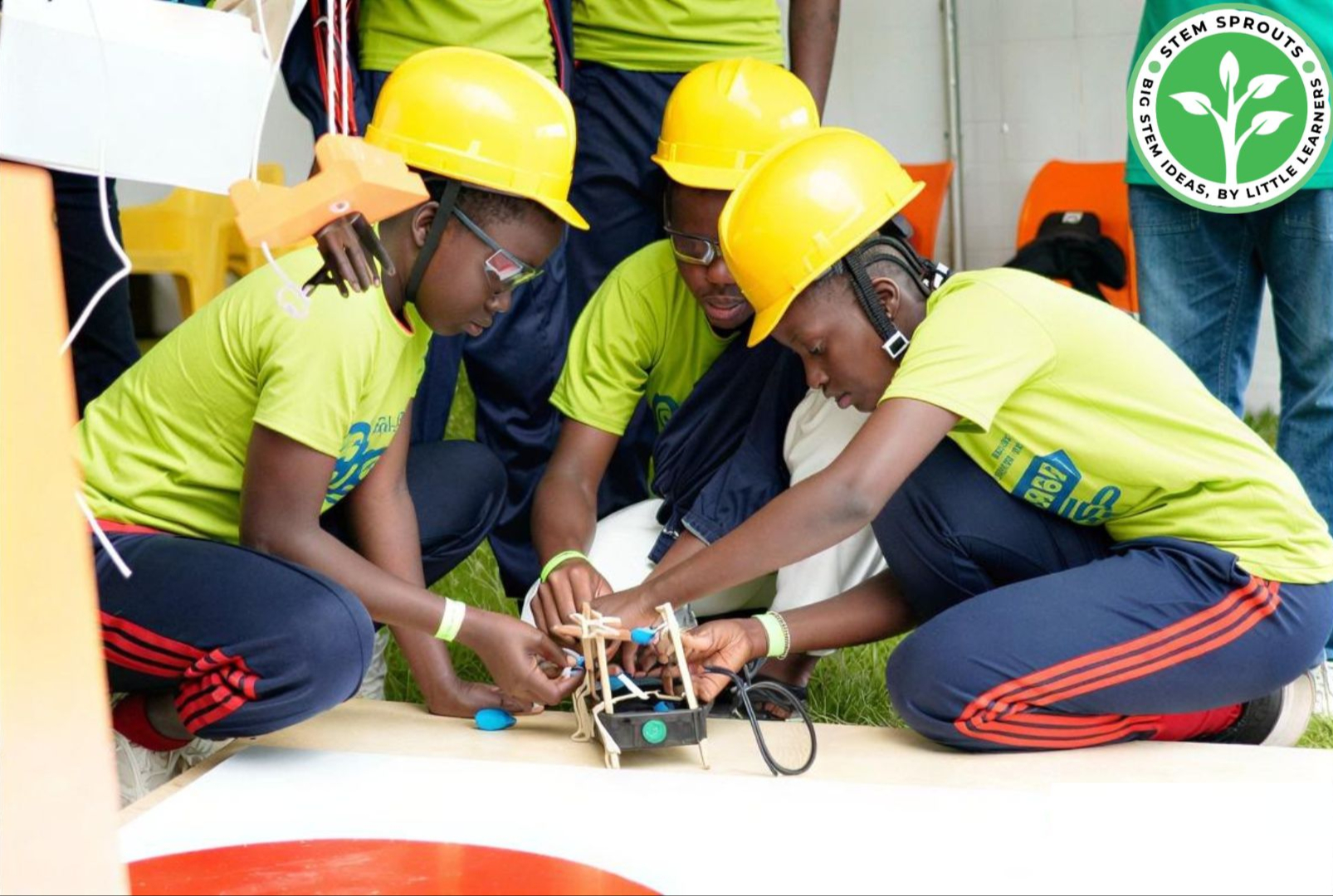
Three months ago, Moses Okoth applied to lead STEM Sprouts' newest chapter in Siaya and Kisumu, Kenya. He wasn't starting from zero. Moses founded the Siaya Community Library in 2013 and has spent over a decade in youth governance and gender equality advocacy in the county. STEM Sprouts Kenya isn't a standalone project for him; it's the newest layer on top of work he's been doing for years, alongside the Siaya STEAM Hub he also founded.
The Role
Chapter Lead is not a narrow title here. Moses handles CBO registration, partnership logistics, curriculum design, school recruitment, budget proposals, negotiations with schools, teacher training, and hands-on equipment troubleshooting. It's an end-to-end operation, run by one person building local infrastructure from the ground up.
The Milestone
The chapter is targeting an August 2026 cohort launch, timed to when Kenyan schools start second term. The goal: 15 schools across Siaya County, each with over 3,000 students.
But Moses isn't measuring success by attendance numbers. He's tracking structural change:
Which schools were previously excluded from national programs like KDEAP and the Raspberry Pi Foundation, and now have access
Whether teachers are moving from passive exposure to technology toward real classroom fluency
Whether robotics and STEM competition access starts reaching beyond the private and international-curriculum schools that have historically had it
The long-term goal is bigger than any single cohort: Siaya going from a county excluded in national data to one cited as a model for rural implementation.
Building for the Conditions That Actually Exist
Most STEM hardware and curricula assume stable power and reliable internet. Rural Siaya schools don't have that. Rather than force tools built for well-resourced countries onto under-resourced conditions, the chapter is building offline-first and WhatsApp-native by design.
Most of the hardware in circulation is donated or secondhand: laptops, projectors, phones. Routers, generators, and projectors get rented in for sessions when they're not already owned. Geography and weather add real travel and transport costs on top of that.
There's also a human dimension Moses is explicit about: a real gap between digital-native students and digital-immigrant teachers. The goal isn't just exposing teachers to technology, it's getting them fluent in it. And sustaining morale through the constant small technical failures that come with under-resourced fieldwork is something he treats as an active job, not something that takes care of itself. Redundancy, borrowed equipment, and offline-first tools are part of how that morale gets protected.
Why This, Why Now
Moses has watched national programs launch with fanfare and fail to reach counties like Siaya before. His work since founding the Siaya Community Library in 2013 has included a 2025 ASU+GSV AI Innovator recognition, a Falling Walls Engage shortlist, the HP Otto Robot Kenya/Africa launch, and partnerships with HP Moravia, Micro:bit Foundation, Sphero, VEX Robotics, and LEGO Education. What drives the Siaya chapter is a push for structural, evidence-grounded accountability instead of goodwill alone: "Get MAD. Make A Difference."
The Policy Backdrop
Kenya's shift from CBC to CBE (Competency-Based Education), paired with new STEM Pathways, is a defining moment in Moses's view. It's a move away from memorization and exam-passing toward real skill-building, with the possibility of earlier specialization in STEM regardless of a school's resourcing. He frames the goal as education that's globally relevant, economically sustainable, and ethically grounded.
He's not naive about the gap between policy and implementation, though. He points to the earlier Digital Literacy Programme (One Laptop Per Child) as a cautionary tale: a policy that looked good on paper but didn't survive rural realities. STEM Sprouts' role in Siaya, as he sees it, is making sure counties like his aren't left out of the training, resources, and pilots as CBE rolls out this time.
The Siaya chapter's cohort launch is planned for mid-to-late August 2026, reaching 15 schools and over 3,000 students countywide.